
Bonus! 🍷The Gist Effect
Why Choosing Less-Processed Wine Matters: Chase’s bias, yet factual, opinion
By Chase Merfeld, MS, RDN, CSR
www.ChasingYourHealth.com
Now that we have discussed alcohol and how it may have some small benefits, specifically wine, let’s talk about why I recommend more naturally made wines.
When it comes to wine, how it’s made actually matters. More than most people realize.
And if your goals include mindful drinking, fewer additives, less alcohol, and a more intentional experience?
Then yes — natural wine genuinely aligns better with whole-health living than the heavily manufactured stuff lining most grocery store shelves.
🍇 What Is Natural Wine?
There’s no official legal definition, but natural wine typically means:
Grapes grown without synthetic pesticides or herbicides
Wild (native) yeast fermentation
No added flavor “correctors”
Little or no filtration
Lower levels of sulfur
Minimal intervention from vineyard to bottle
In other words:
Grapes → Fermentation → Wine.
Not a chemistry project.
Natural wine is what happens when winemakers trust their grapes, their soil, the season, and their craft — instead of trying to force a uniform product year after year.
It’s expressive, alive, and reflective of real agriculture. I went on a wine trip with Gist Wine Shop and learning how these wine makers create the wine was amazing! A true art in its own right.
🍷 What Is a Manufactured Wine?
Most wine sold in the U.S. fits this category — and no, it’s not just “fermented grape juice.”
Manufactured wine often includes:
Commercial yeast engineered for consistency
Added sugar
Added acids
Added tannins
Coloring agents
Clarifiers
Texture enhancers
Flavor-correcting additives
High sulfites
Heavy filtration
Tight processing to ensure each bottle tastes the same every year
It’s marketed as “smooth,” “balanced,” or “approachable,” but the truth is:
Manufactured wine is built for mass production, shelf stability, and predictability — not authenticity.
There’s nothing wrong with wanting dependable wine…
but there is something lost when wine becomes a formula instead of an agricultural story.
🔬 The Real Health & Quality Differences
Let’s walk through the differences
1️⃣ Additives: Natural Wine Keeps It Simple
Natural winemakers use the lowest-intervention path.
Manufactured wine often contains dozens of additives you’ll never see on a label.
Why this matters:
Some people genuinely tolerate natural wine better — fewer headaches, less congestion, less GI irritation — because there’s simply less in the bottle.
2️⃣ Yeast: Wild Fermentation vs. Factory-Engineered Consistency
Wild yeast gives natural wine unique personality.
Manufactured wine uses lab-grown yeast strains to force predictability.
Why this matters:
If you want wine that expresses real flavor — not engineered sameness — natural wine wins every time.
3️⃣ Filtration: Natural Wines Keep More of the Good Stuff
Natural wines are often unfiltered, leaving:
More antioxidants
More aroma compounds
More texture
More authenticity
Manufactured wines are filtered until they look like a skincare commercial.
Why this matters:
Unfiltered wines aren’t “superfoods,” but they do retain more of wine’s natural compounds.
4️⃣ Farming: Natural Wine Starts With Better Agriculture
Natural winemakers often farm organically or biodynamically.
Manufactured wine producers frequently rely on:
synthetic pesticides
herbicides
large-scale monocropping
Why this matters:
Cleaner farming → fewer residues → better for the environment and your overall exposure.
5️⃣ ABV: Natural Wines Tend to Run Lower
Most natural wines sit comfortably around 10–12% ABV.
Manufactured wines often creep into the 14–15% range.
Why this matters:
If alcohol is the part that affects metabolic, liver, and cardiovascular health…then choosing lower-ABV natural wines is simply a smarter move.
6️⃣ Taste: Manufactured Wine Is Predictable — Natural Wine Is an Experience
Manufactured wine tastes the same year after year.
Natural wine changes depending on:
climate
rainfall
temperature shifts
soil variation
wild yeast diversity
harvest timing
And that’s the fun of it.
Every vintage is a surprise — a story of that year in the vineyard. The vintage from 2024 should taste different than the vintage of 2025, which makes each year an experience!
If regular wine is Netflix…natural wine is a live performance.
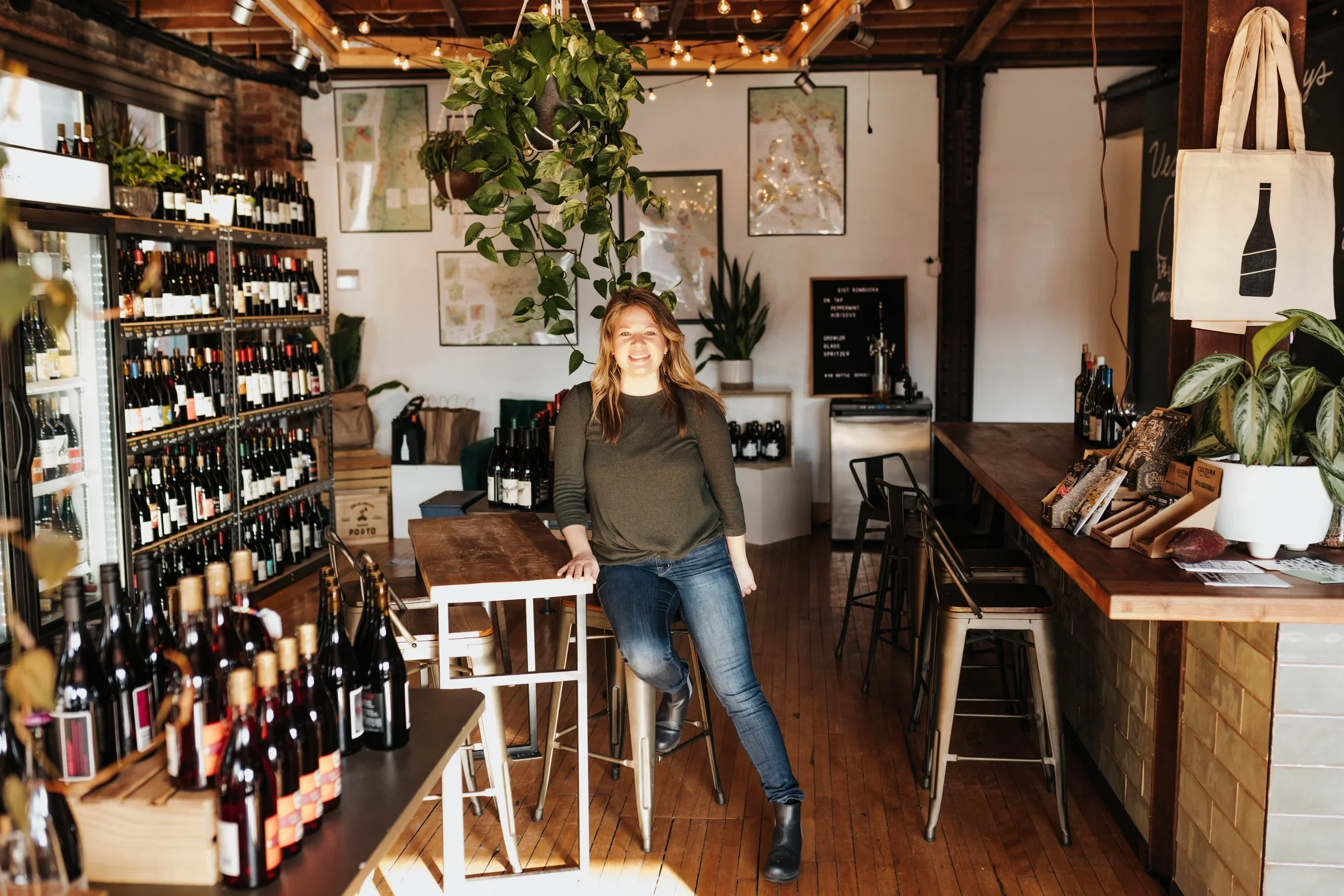
🍷 Local Spotlight: Gist Wine Shop — Sioux Falls’ Natural Wine Gem
If you want to taste what wine should be — not just what mass production makes it — go to Gist Wine Shop, owned by sommelier Mel Guse.
Mel curates wines that actually reflect craftsmanship, agriculture, soil, and season — not a manufacturing process.
She sources bottles that are:
minimally processed
thoughtfully made
lower in additives
lower in alcohol
reflective of real vineyards, not factories
This is where you go when you want wine that tastes like the grape and the environment it was created in, not the ingredient list.
It’s also exactly where mindful drinkers should start if they want wine that aligns with intentional, whole-health living.
Trust me… go to Gist…have a glass, buy a bottle or case, learn about wine from the expert herself (Mel) and soon the Gist Effect will happen and you will understand.
And yes — if you stop in, tell her Chase sent you!