

The New Alcohol Research Is Important. But It Doesn’t Answer Every Question
Every so often, a paper comes along that changes the conversation.
I think this new review published in Addiction is one of those papers.
It doesn't present one new experiment. Instead, it brings together decades of alcohol research—including large observational studies, meta-analyses, and newer Mendelian randomization studies—to ask one simple question:
What does the best available evidence actually tell us about alcohol and our health?
The overall conclusion was pretty clear.
Alcohol contributes to more harm than benefit at the population level.
The review reinforced strong evidence linking alcohol consumption with an increased risk of several cancers, liver disease, high blood pressure, atrial fibrillation, injuries, neurologic disease, and other chronic health conditions. It also concluded that the long-held belief that moderate drinking protects heart health is much less certain than many of us were taught.
As a dietitian, I think that's an important update.
What Makes This Review Different?
One reason this review carries so much weight is because it includes newer Mendelian randomization studies.
I know...that sounds like something your genetics professor would mention five minutes before the final exam.
But the concept is actually pretty clever.
One of the biggest challenges in nutrition research is that people are messy.
People who enjoy a glass of wine with dinner often live very different lives than people who don't drink. They may exercise more, eat healthier, have higher incomes, better access to healthcare, or simply make different lifestyle choices.
So when researchers notice that moderate drinkers appear healthier, they have to ask an important question:
Is it the alcohol...or is it everything else?
Mendelian randomization gives researchers another way to study that question.
Instead of simply asking people what they drink, scientists look at naturally occurring genetic differences that influence alcohol metabolism and drinking behavior.
For example, some people inherit gene variants that make drinking alcohol unpleasant. They flush, feel nauseated, or simply don't enjoy drinking very much. Because of that, they naturally consume less alcohol over their lifetime—not because they decided to be healthier, but because of the genes they inherited.
Researchers can then compare the long-term health outcomes of people with those genetic differences to those without them.
Since our genes are randomly assigned at conception, these comparisons are much less likely to be influenced by things like diet quality, exercise habits, income, or education.
Is it perfect?
No.
Every research method has strengths and weaknesses.
But it gives scientists another powerful tool to answer an important question:
Is alcohol itself increasing disease risk, or have healthier lifestyles been making moderate drinking appear more beneficial than it really is?
Overall, these newer studies found much less evidence supporting the long-held belief that moderate drinking protects heart health.
But While Reading the Review...
I found myself thinking about a completely different question.
Could fermentation, processing, and the food matrix influence the biological effects of an alcoholic beverage beyond what we'd predict from ethanol alone?
Not because I disagree with the review.
I don't.
The evidence that alcohol increases disease risk is strong.
But I also don't think that's the question this review was trying to answer.
The Question Started in Oregon
Interestingly, this question had been sitting in the back of my mind for months. Earlier this year my wife and I spent several days exploring Oregon wine country.
I expected conversations about tasting notes. Instead, I found myself listening to passionate winemakers talk about biology.
Native yeasts.
Fermentation.
Microbial communities.
Soil health.
Climate.
Grape varieties.
Aging.
The countless decisions that shape a bottle of wine long before anyone ever pours a glass. Honestly...it sounded a lot like talking with someone who makes sourdough bread.
As a dietitian, my brain immediately started making connections.
Because in nutrition, we already recognize that fermentation changes food.
Yogurt isn't simply milk.
Kimchi isn't simply cabbage.
Sourdough isn't simply flour and water.
Coffee isn't just caffeine.
Foods are more than one ingredient or one nutrient.
Fermentation changes the food matrix, creates new compounds, and alters the final product in ways we're still discovering.
So I kept asking myself:
If we recognize those differences in so many other foods, are we asking enough questions about whether they matter in alcoholic beverages, too?
What This Review Answered
To be clear, this review focused primarily on ethanol.
That's exactly what it should have done.
Ethanol is the primary psychoactive component of alcoholic beverages, and it's the compound most consistently linked to alcohol-related disease.
Researchers measure alcohol intake in grams of ethanol because it allows them to compare beer, wine, and spirits across millions of people.
Without that approach, we wouldn't know nearly as much about alcohol and health as we do today.
And based on that evidence, the conclusion is difficult to ignore:
Alcohol increases disease risk, and drinking less generally lowers that risk.
That remains the strongest evidence we have today.
But Is Ethanol the Whole Story?
Here's where my curiosity begins.
Wine and beer aren't just ethanol and water.
They're chemically complex foods.
Traditionally fermented wines and beers contain hundreds of naturally occurring compounds beyond ethanol, including polyphenols, organic acids, amino acids, esters, and many other fermentation-derived compounds.
Could any of those compounds influence biology independently of ethanol?
We honestly don't know.
And I think that's a fascinating scientific question.
Why I Think It's Worth Asking
Nutrition science has taught us repeatedly that foods are more than the sum of a single nutrient.
We don't judge olive oil only by its fat.
We don't judge whole fruit only by its sugar.
We don't judge yogurt only by its protein.
The food matrix matters.
Processing matters.
Fermentation matters.
So I don't think it's unreasonable to ask whether those same principles could apply—at least in part—to traditionally fermented alcoholic beverages.
Notice what I'm doing.
I'm asking a question.
I'm not claiming I know the answer.
Those are two very different things.
What We Know So Far
The research here is still early, but it's interesting.
One randomized controlled trial found that drinking either alcoholic or non-alcoholic beer for four weeks increased gut microbial diversity. Because both beverages produced similar changes, the researchers suggested that some of those effects may have been driven by beer polyphenols and other fermentation-derived compounds rather than alcohol itself.
Other small studies have also found that beers with different polyphenol contents may influence the gut microbiome differently.
For wine, the evidence is even more limited. Some small studies suggest red wine polyphenols may influence the gut microbiome and inflammatory pathways, but the clinical research is still relatively sparse.
None of this proves alcohol is healthy.
None of it suggests traditionally fermented wine or beer eliminates—or even meaningfully offsets—the well-established risks associated with ethanol.
It simply tells us there may be more to study than ethanol alone.
Why This Research Is Difficult
If you've ever talked to a winemaker or brewer, you already know the challenge.
No two traditionally fermented beverages are exactly alike.
Fermentation methods vary.
Native yeast populations differ.
Climate changes.
Soil changes.
Grape varieties change.
Grain selection changes.
Aging changes.
And here's the biggest obstacle.
The ideal study simply isn't ethical.
In a perfect scientific world, we'd randomly assign thousands of people to drink equal amounts of Everclear, vodka, industrial beer, traditionally fermented beer, mass-produced wine, and traditionally fermented wine for the next 20 years and then compare who develops cancer, heart disease, liver disease, or other health conditions.
Obviously...we can't do that.
No ethics board would ever approve intentionally assigning people to consume alcohol for decades simply to see who gets sick.
So alcohol research has to rely on the next best options—observational studies, genetic studies like Mendelian randomization, and smaller human intervention trials.
Those approaches have taught us an incredible amount about ethanol.
But they're much less equipped to answer whether the hundreds of naturally occurring compounds found in traditionally fermented beverages have biological effects independent of ethanol.
That doesn't mean they do. It simply means we haven't been able to test that question as rigorously as we'd like.
My Final Thoughts
Reading this back, it probably sounds like I'm trying to convince myself that alcohol is healthier than it really is.
I'm not.
If anything, this review reinforced the opposite. Alcohol-related risks are real.
Heavy drinking and binge drinking remain consistently harmful.
And overselling alcohol as a health food isn't supported by today's evidence.
So why did I spend 2,000 words asking questions about fermentation?
Honestly, because a trip to Oregon changed the way I thought about wine.
I expected to learn about tasting notes.
Instead, I found myself listening to winemakers talk about native yeasts, microbial communities, soil health, fermentation, and the incredible complexity of turning grapes into wine.
As a dietitian, I couldn't stop thinking about it.
In nutrition, we know that processing matters.
Fermentation matters.
The food matrix matters.
We've learned those lessons over and over again with foods like yogurt, kimchi, sourdough, coffee, olive oil, and countless others.
So I couldn't help but wonder whether we've spent decades studying ethanol while only beginning to ask questions about everything else naturally present in traditionally fermented beverages.
Maybe the answer is simple.
Maybe ethanol overwhelms everything else, and fermentation doesn't meaningfully change the long-term health story.
If that's what future research shows, great. That's the answer.
But maybe there's more to learn. The truth is...
We don't know yet. And I think it's okay to admit that.
The Addiction review answered an incredibly important question.
Alcohol itself contributes to disease risk, and reducing alcohol intake generally lowers that risk.
I don't think that's controversial anymore.
But the question I'm left with is this:
Could fermentation, processing, and the food matrix influence the biological effects of an alcoholic beverage beyond what we'd predict from ethanol alone?
I don't know the answer. BUT Neither does the current body of research.
But I think it's a question worth studying.
Science doesn't move forward because we stop asking questions. It moves forward because we learn to ask better ones.
I think this is one of those questions.
And if nothing else, I'm grateful for a trip to Oregon that reminded me just how fascinating the science of food—and fermentation—can be.
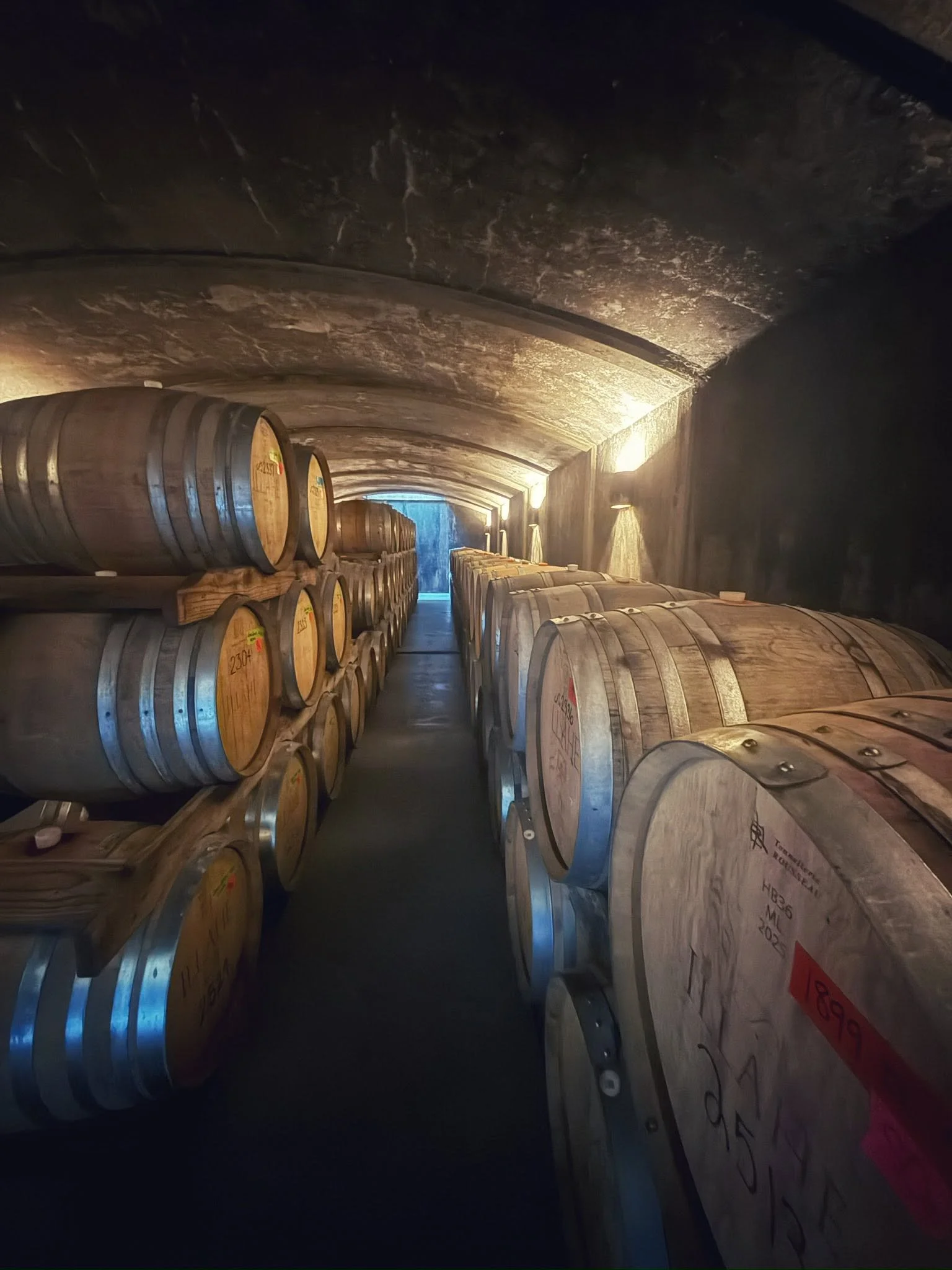
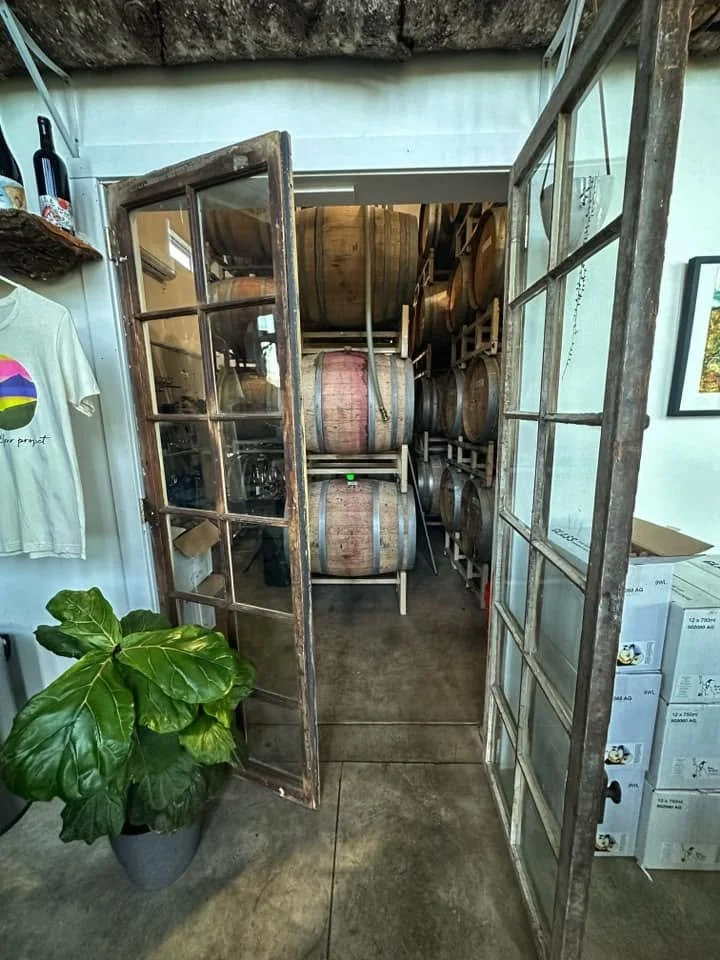
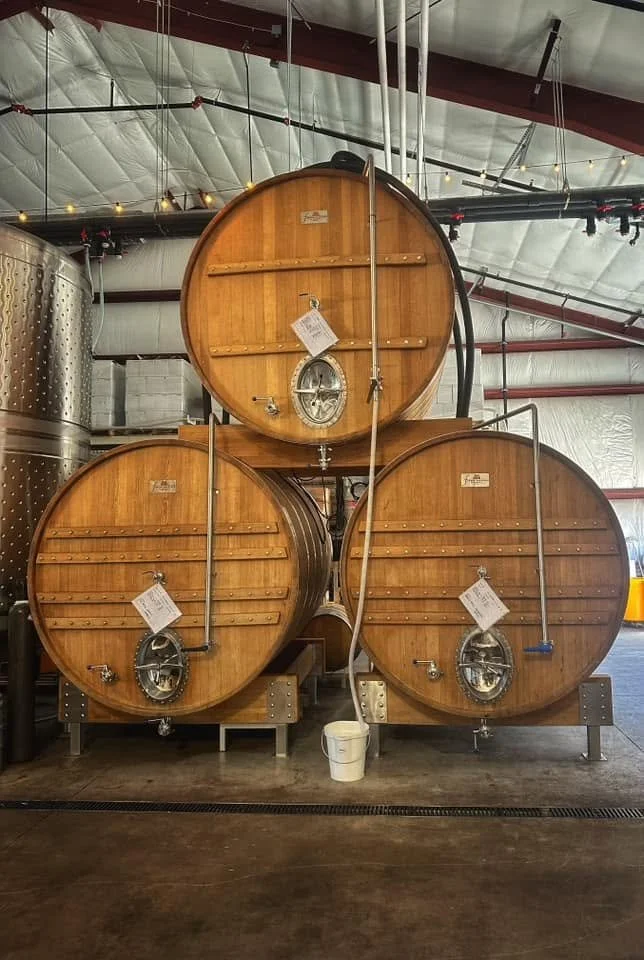
I've included a few photos from our trip below. They may not answer any scientific questions, but they're what sparked this one.
— Chase Merfeld, MS, RDN, LN, CSR
Chasing Your Health














References & Further Reading
If you'd like to explore the research yourself, here are a few of the studies that shaped my thinking while writing this article:
Rehm J, et al. (2026). A review of the relationship between dimensions of alcohol consumption and the burden of disease: 2026 update including Mendelian randomization studies. Addiction.
The review discussed throughout this article, summarizing decades of evidence on alcohol and health.Marques C, et al. (2022). Impact of Beer and Nonalcoholic Beer Consumption on the Gut Microbiota: A Randomized, Double-Blind, Controlled Trial. Journal of Agricultural and Food Chemistry.
One of the strongest human studies suggesting that both alcoholic and non-alcoholic beer increased gut microbial diversity, raising the possibility that fermentation-derived compounds—not just alcohol—may influence the gut microbiome.Martínez-Montoro E, et al. (2022). Effect of Moderate Consumption of Different Phenolic-Content Beers on Gut Microbiota. Foods.
Compared beers with different polyphenol contents and found differences in gut microbiome responses, suggesting beverage composition may matter.Queipo-Ortuño MI, et al. (2012). Influence of Red Wine Polyphenols and Ethanol on the Gut Microbiota Ecology and Biochemical Biomarkers. American Journal of Clinical Nutrition.
One of the first human intervention studies showing that red wine polyphenols may influence gut microbial composition independently of ethanol.Nash V, et al. (2018). The Effects of Grape and Red Wine Polyphenols on Gut Microbiota: A Systematic Review. Food Research International.
Reviews the current evidence on how grape and red wine polyphenols interact with the gut microbiome while emphasizing that more high-quality human research is needed before drawing health conclusions.
One important reminder: None of these studies demonstrate that alcohol is "healthy" or that traditionally fermented beverages eliminate the well-established risks associated with ethanol. They simply highlight an area of emerging research that deserves further investigation.