
SNAP Under Strain: Feeding Millions While Avoiding Misuse — and Why Today Matters
By Chase Merfeld, MS, RDN, LN, CSR
(ChasingYourHealth.com | November 4, 2025)
🍽️ 1. The Importance of SNAP — and How Well It Works
The Supplemental Nutrition Assistance Program serves as a lifeline for millions of Americans — including families, seniors, veterans and working-adults facing food insecurity. In recent years the program has provided benefits for roughly 41 – 42 million participants monthly.
Despite repeated claims of rampant abuse, the data show a more accurate story:
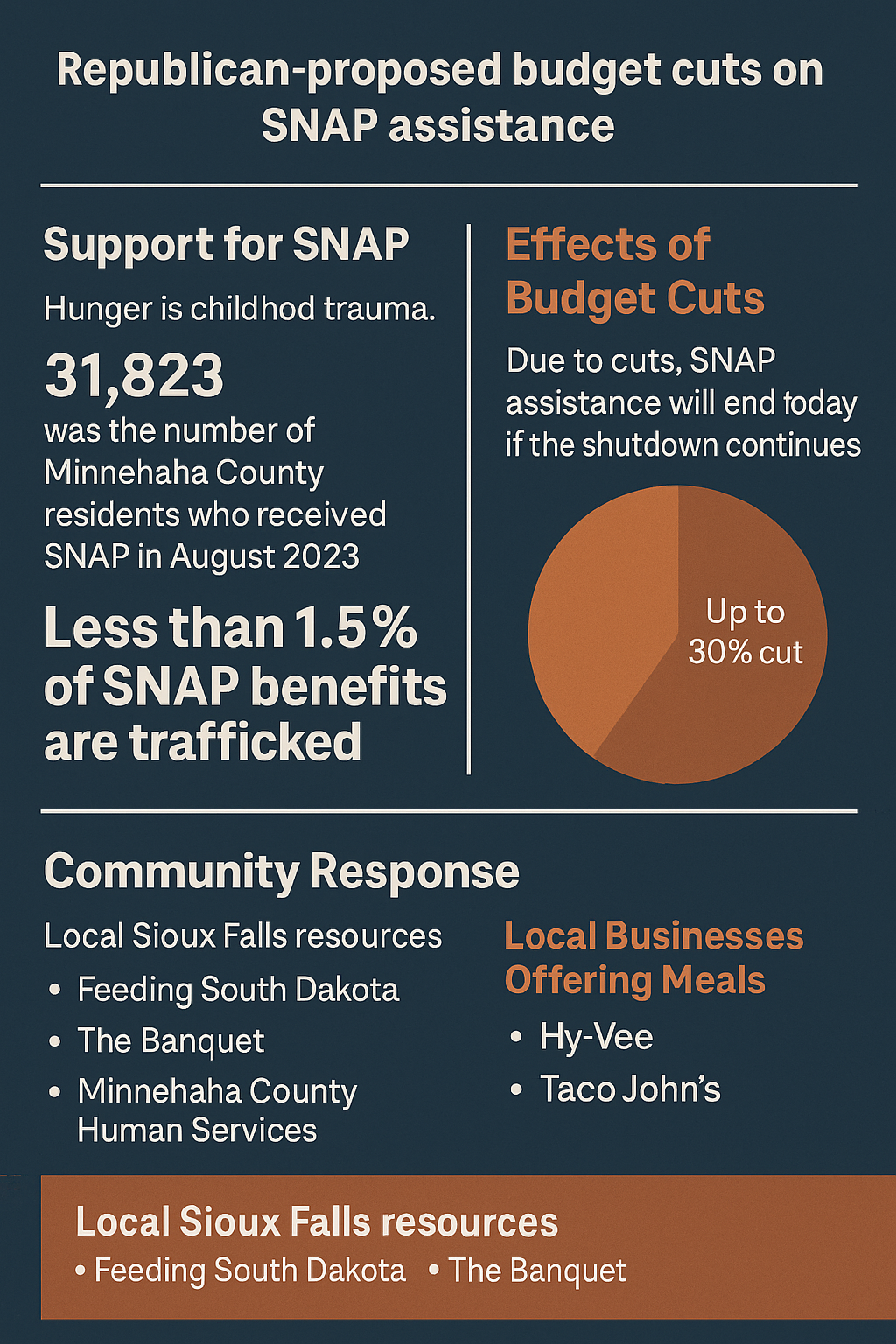
The trafficking rate (benefits being exchanged for cash) is about 1.5 – 1.6 %, meaning the overwhelming majority of benefits are used as intended.
Most improper payments are the result of clerical or administrative error — not widespread fraud.
In short, SNAP is broadly functioning as intended: providing nutritious food access to eligible households.
⚠️ 2. What’s at Stake — and Why Today Matters
On November 1, 2025, the nation entered what many are calling the first “Day Without SNAP Assistance” in modern times. A funding lapse tied to the federal government shutdown left many eligible households uncertain whether they would receive their November benefit.
Here’s how it plays out:
Approximately 42 million Americans face delays or reductions in benefits.
Households dependent on SNAP may now face fewer meals, reduced diet quality, and increased instability.
The inability to rely on this monthly support creates ripple effects in health, stress, and community systems.
💰 3. The Contingency Fund & Partial Funding Update
Since our last post, pivotal new information has emerged:
The U.S. Department of Agriculture (USDA) announced it will use about $4.65 billion from the SNAP contingency fund to partially pay November benefits.
That amount covers roughly 50 % of current eligible households’ benefit allotments, meaning many households will receive only half of what they would normally expect.
The USDA warned that some states may require weeks or even months to adjust their systems and distribute the benefits because of needed recoding and other administrative changes.
Important: No funds remain for new SNAP applicants certified in November under this arrangement.
A separate directive from the USDA instructed grocery stores not to offer special discounts solely to SNAP recipients, citing the need for equal treatment under program rules.
In essence: while some relief is confirmed, it is incomplete, delayed, and leaves large gaps.
🏛️ 4. The Bigger Picture — Budget Cuts and Policy Shifts
Beyond the shutdown and partial payment scenario, further pressures are building:
Proposed budget plans would cut SNAP by about $230 billion over the next decade by shifting greater costs to states, tightening eligibility, and expanding work requirements.
These changes could dramatically reshape access to nutrition assistance, especially in rural and underserved communities.
📍 5. Local Resources in Sioux Falls
If you or someone you know in the Sioux Falls / Minnehaha County area is facing a SNAP gap, here are trusted local supports:
Feeding South Dakota — 4701 N Westport Ave. | Mobile and on-site distribution.
The Salvation Army – Sioux Falls — 900 N Cliff Ave. | Emergency food pantry.
Charis Ministry Partners – “Food to You” Mobile Pantry — 1300 E 10th St. | Monthly distributions.
Helpline Center (2-1-1) — Resource directory for local food pantries and meals.
The Banquet — 900 E 8th St. | Free community meals, no permission needed.
SD Department of Social Services (Sioux Falls Office) — 1501 S Highline Ave. | Phone: (605) 367-5444 for SNAP inquiries.
🏪 6. Local Champions: Businesses Stepping Up
While federal support wavers, local businesses and organizations in our community have responded:
Taco John’s – Offering a free “Community Special” meal to anyone in need at participating Sioux Falls locations.
Hy-Vee – Running free kids’ meals and donation bundles of staple foods to support local food banks.
Food Rescue 605 – Partnering with restaurants and grocers to rescue surplus produce and distribute it across the region.
Feeding South Dakota – Accelerating mobile distributions to meet increased demand.
These efforts do not replace federal assistance — but they illustrate how community resilience and local action matter.
💪 7. How You Can Help Right Now
Advocate: Call your congressional and state representatives. Tell them food access is critical to health and community well-being.
Donate: Contribute to local food banks or support businesses offering community meals.
Plan ahead: If you anticipate a benefit gap, stock up on shelf-stable nutritious items (beans, canned vegetables, whole-grain pasta, peanut butter).
Educate & share: Spread accurate information — SNAP misuse is small, but the need is large.
Support local heroes: Encourage and thank the businesses stepping up in Sioux Falls.
🕊️ 8. Key Takeaway
This is not a story of widespread abuse. It’s a story of food access, public health, and human dignity.
✅ 99 % of SNAP benefits are used correctly.
⚠️ The contingency fund is being used — but only to partially cover benefits.
🧮 The policy and budget pressures ahead threaten the safety net when many depend on it most.
In the pursuit of whole-health — whether nutrition, chronic-disease management, or family resilience — access to food is foundational. If we don’t secure that, everything else is harder.
Let’s stay informed, stay compassionate, and act together. Food is health. Access to it should be too.